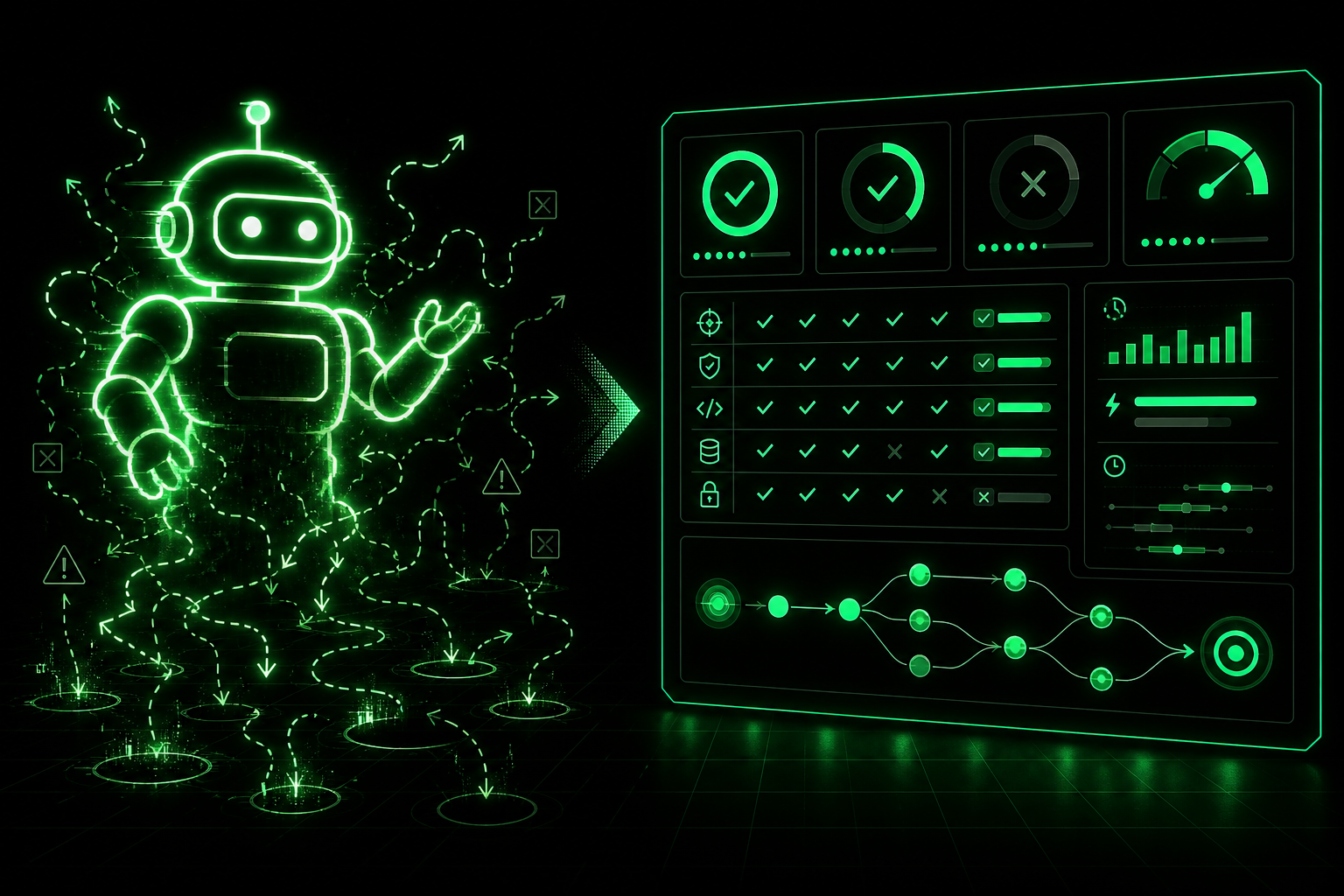
Autonomous Agents Are Overhyped. Evaluation Is Underrated.
The "let agents run everything end to end" pitch keeps getting the attention. The boring evaluation and observability work is what actually decides whether a system survives production.
Architecture notes from systems I've actually built: GNNs, RAG agents, multi-tenant platforms, and the tradeoffs behind them.
The "let agents run everything end to end" pitch keeps getting the attention. The boring evaluation and observability work is what actually decides whether a system survives production.
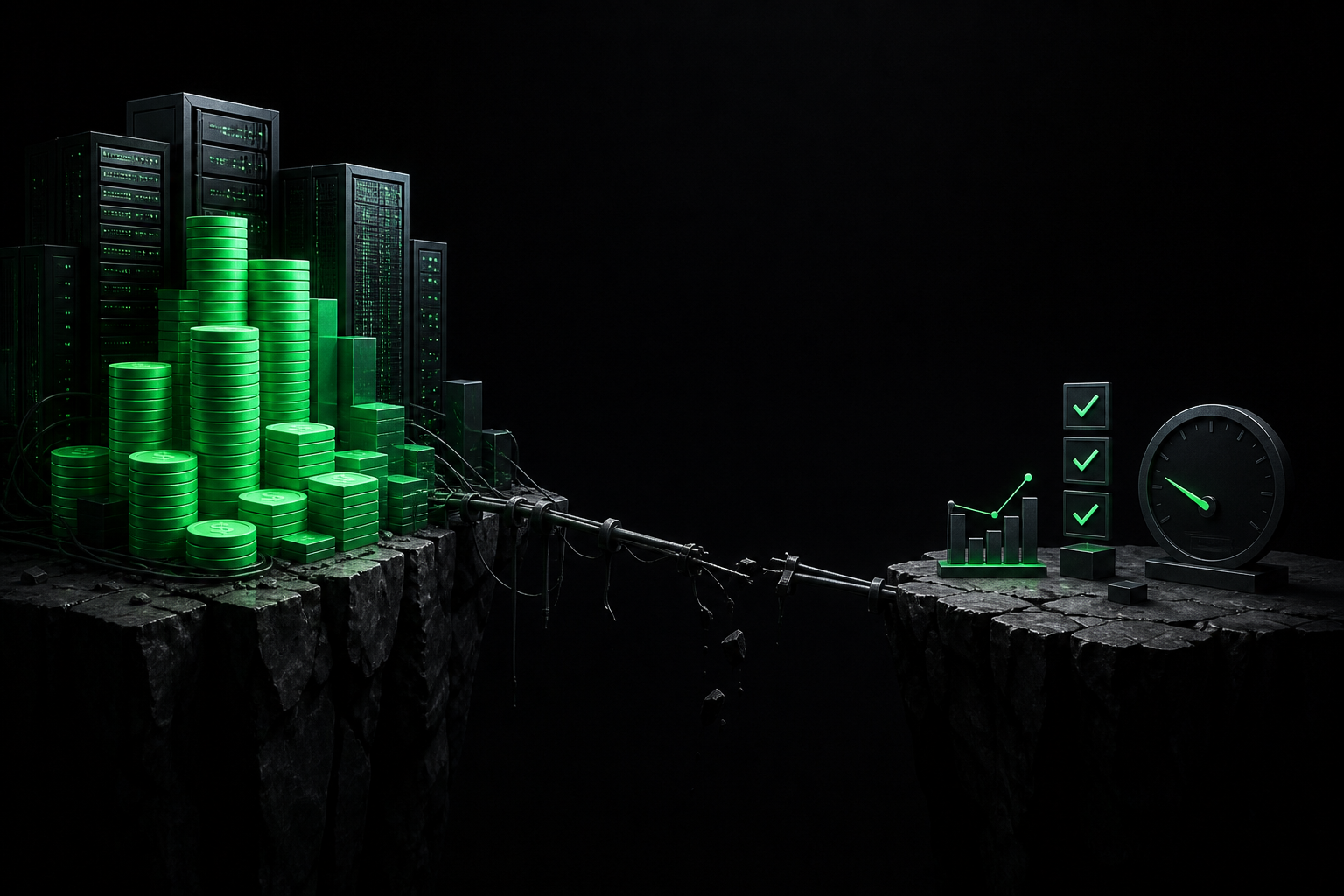
Adoption is up and pilots keep getting scrapped at the same time. That's not proof AI doesn't work, it's proof most organizations are still funding the demo phase and calling it production.
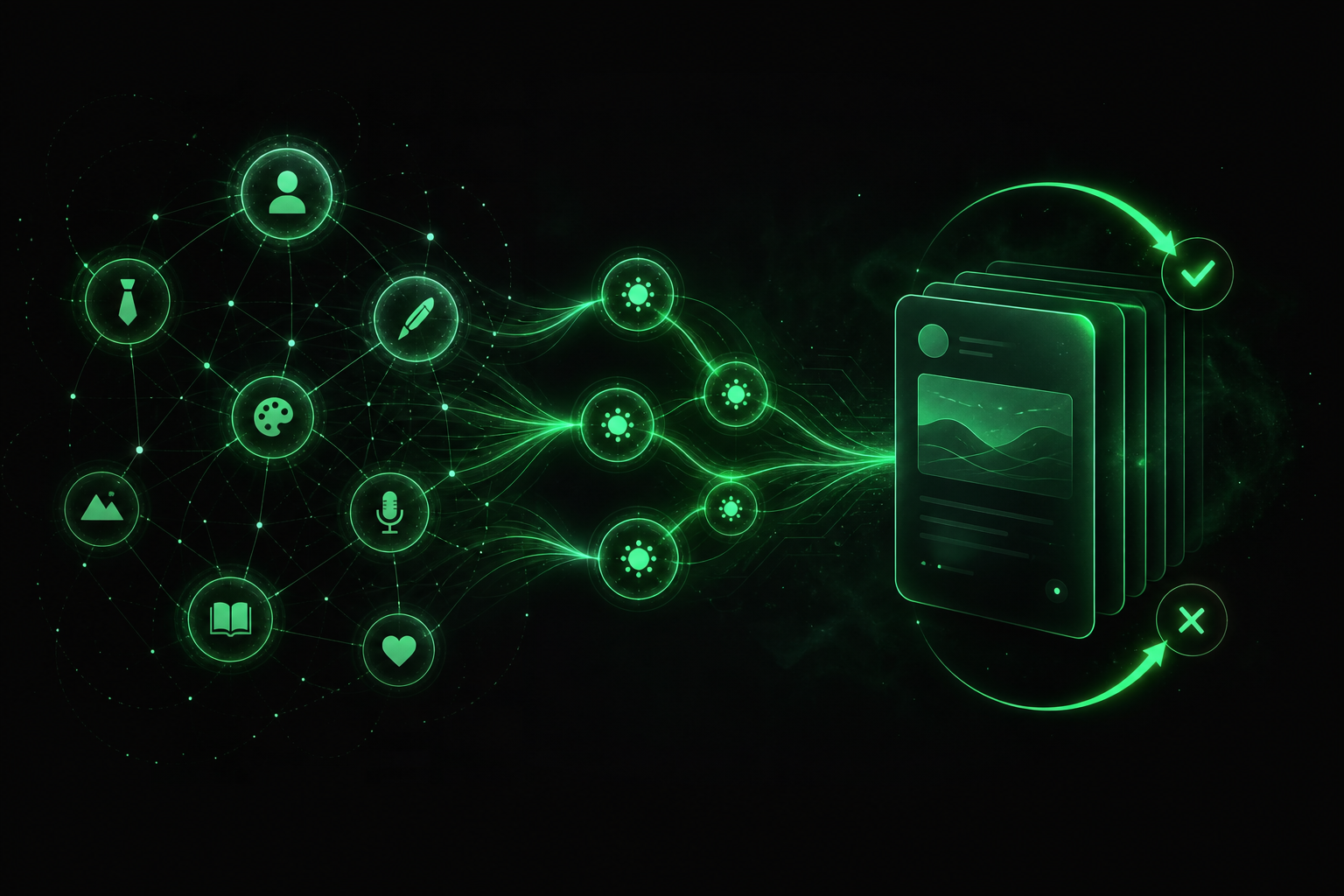
Why Pixo uses a graph pipeline, cached persona, dual-model routing, and swipe feedback — and what still needs building next.
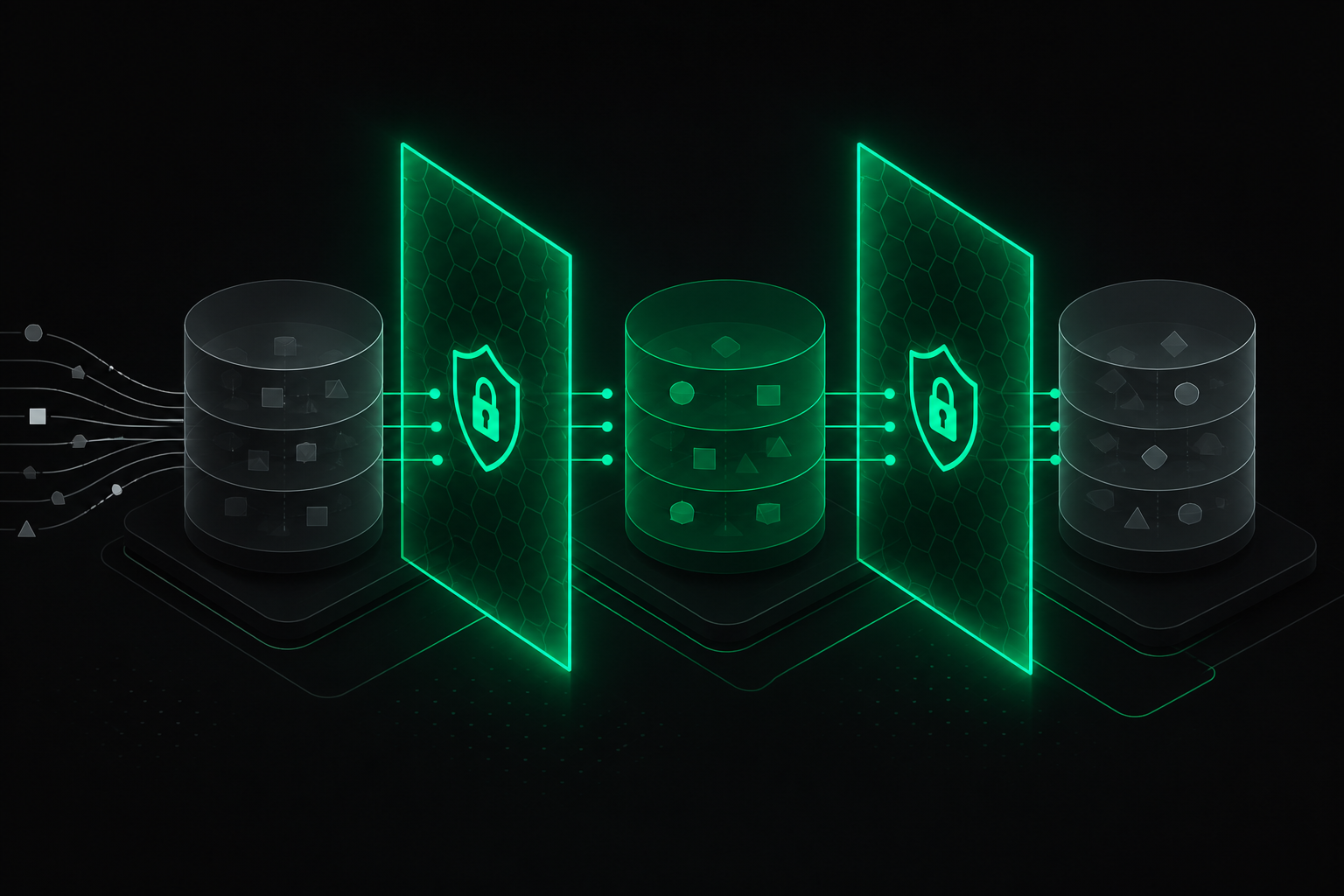
Inside HealthJourney: an agentic clinic platform where tenant isolation is enforced with Postgres Row-Level Security, not application WHERE clauses.
Having built the agentic systems that compress entry-level and support work, I don't think the optimistic "it's just task compression, headcount stays the same" story holds up.
Building a load-testing tool that turns an OpenAPI spec into test scenarios with AI, runs them through k6, and takes security seriously.
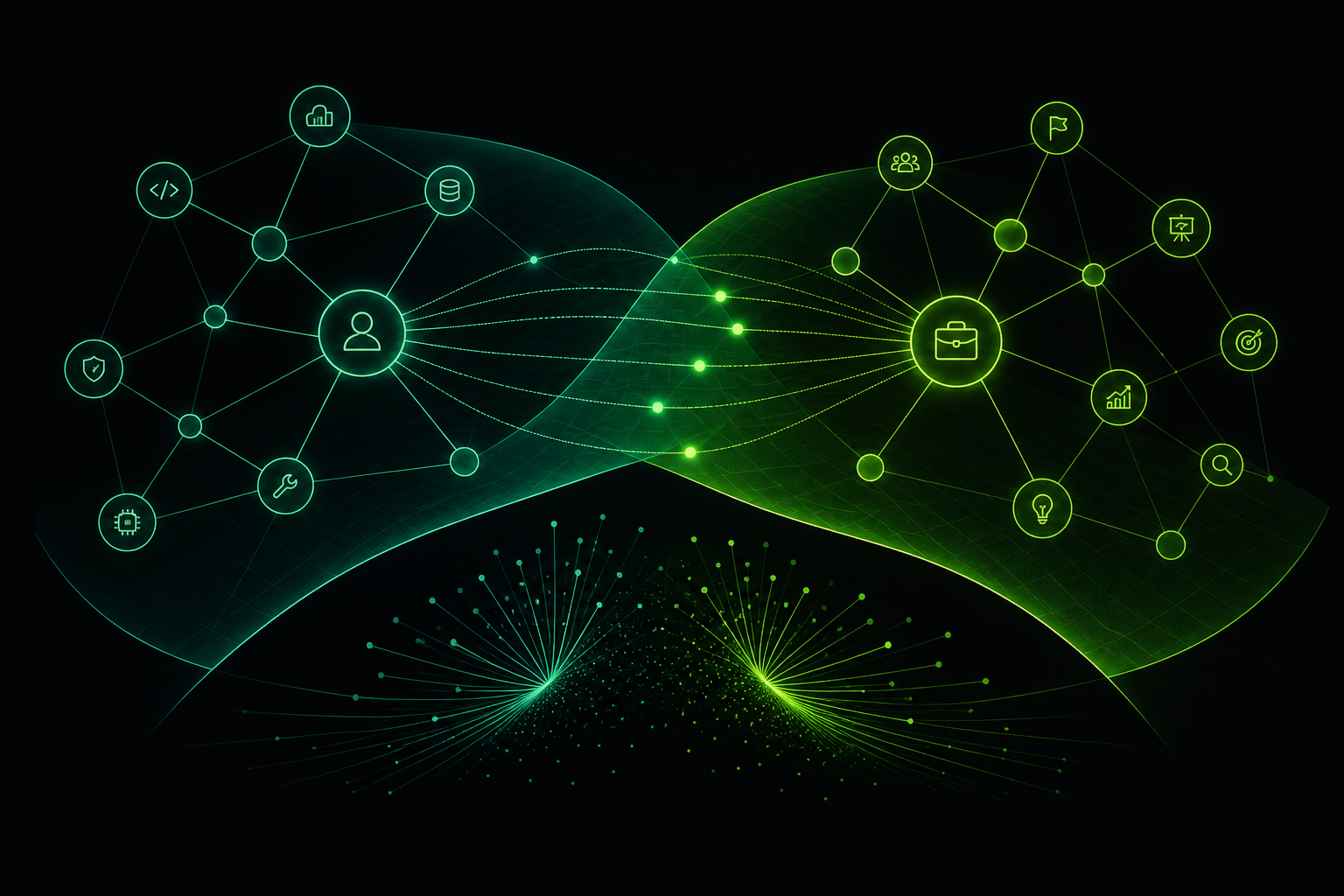
How a Neo4j transition graph and a two-layer embedding match work together to recommend realistic career moves, not just similar job titles.
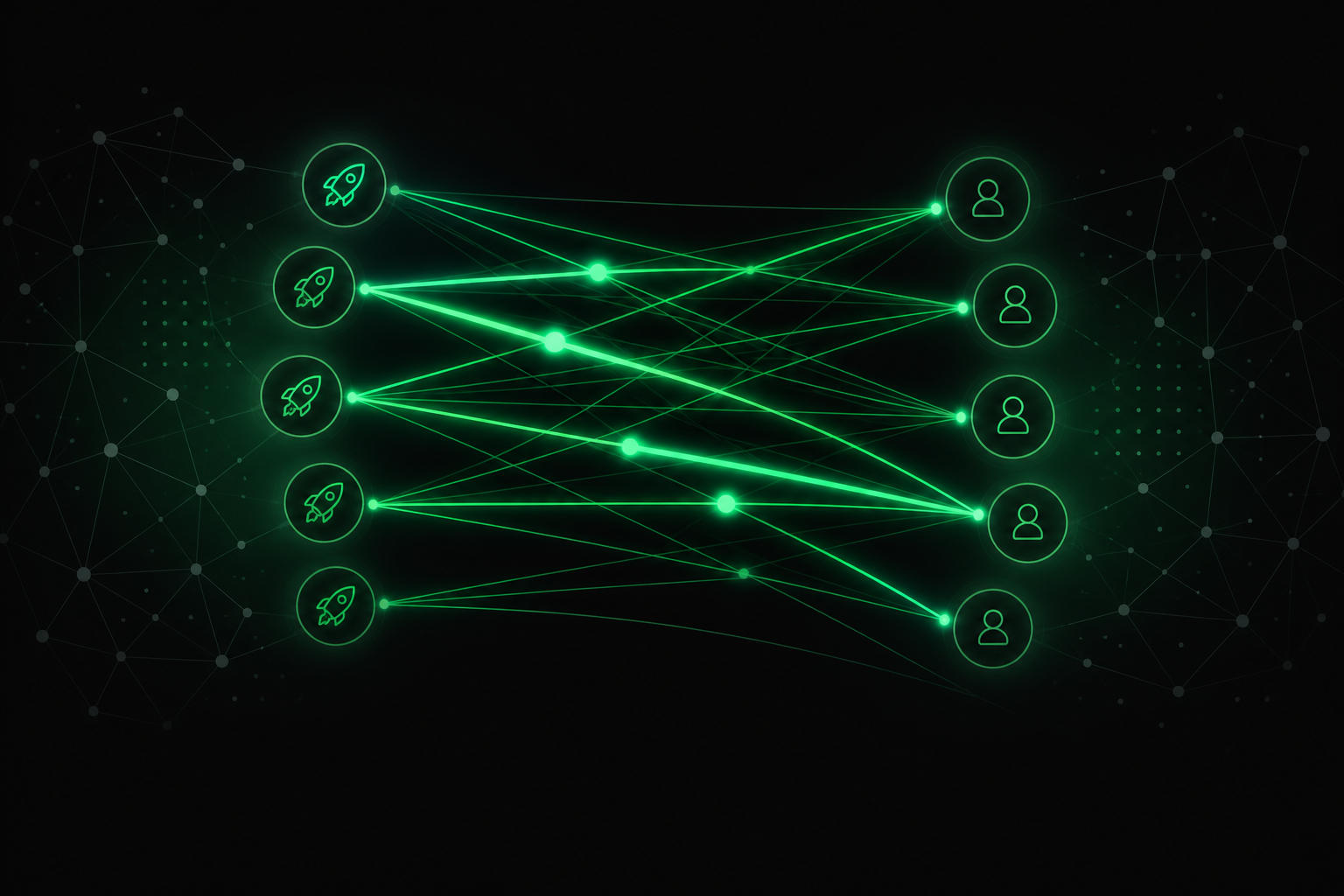
Inside a GNN-based recommender that matches startups with investors: GraphSAGE candidate generation, dual GATv2 models, and why one shared model wasn't the right call.
Why the Doriot investor recommender runs GraphSAGE retrieval before GATv2 ranking, then Bayesian re-ranking and rivalry signals.
Inside the routing logic between GPT-4 and DeepSeek-R1 in a production RAG agent, and why the strongest model isn't the right default for every request.
How I built a market research agent that classifies queries across 20+ intent categories before retrieval even starts, then routes between SQL and vector search.
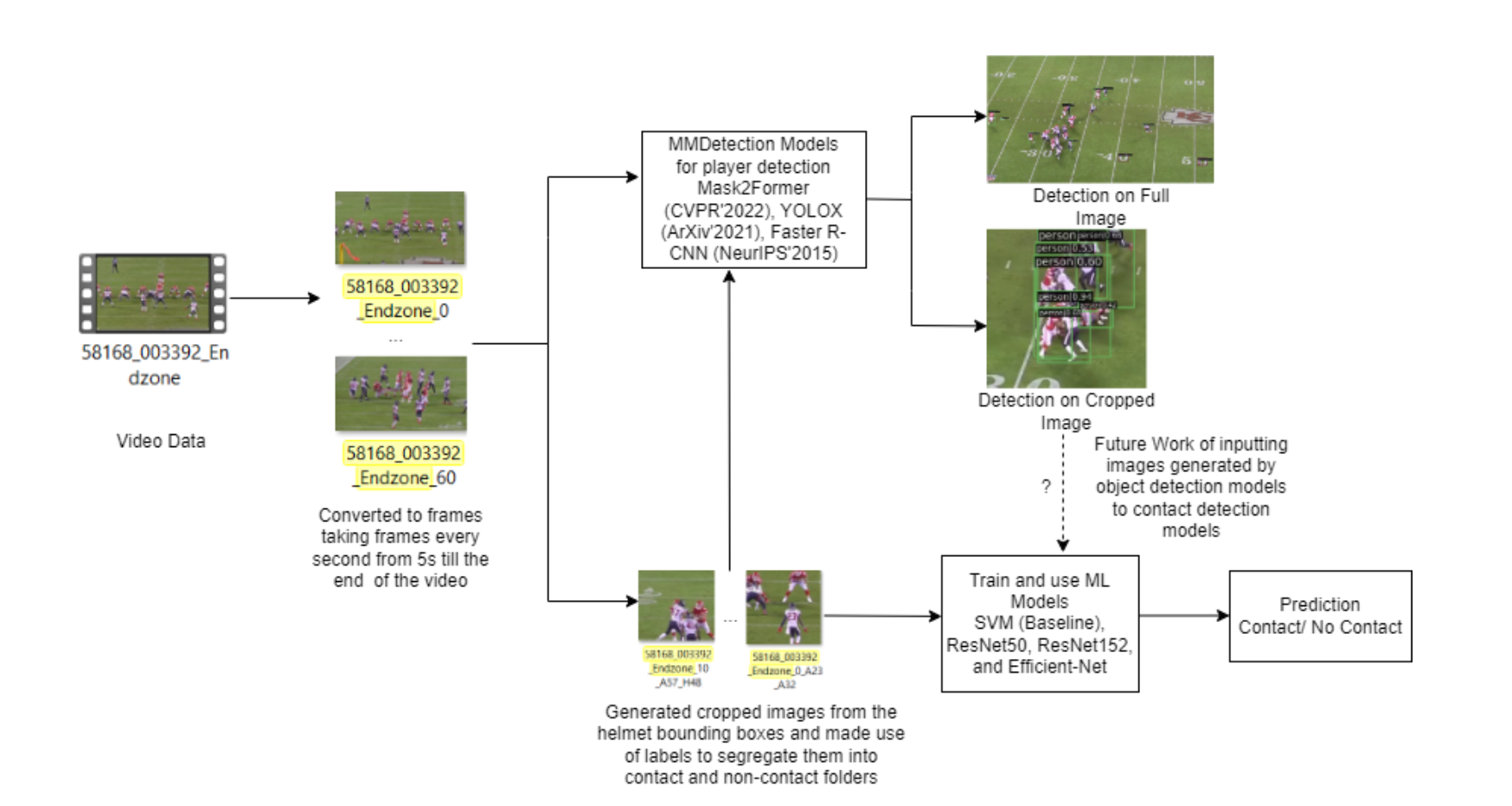
An MSc computer vision project on detecting player contact in American football: why SVM wasn't the right tool, why augmentation fixed more than architecture did, and how YOLOX held up under cropping.
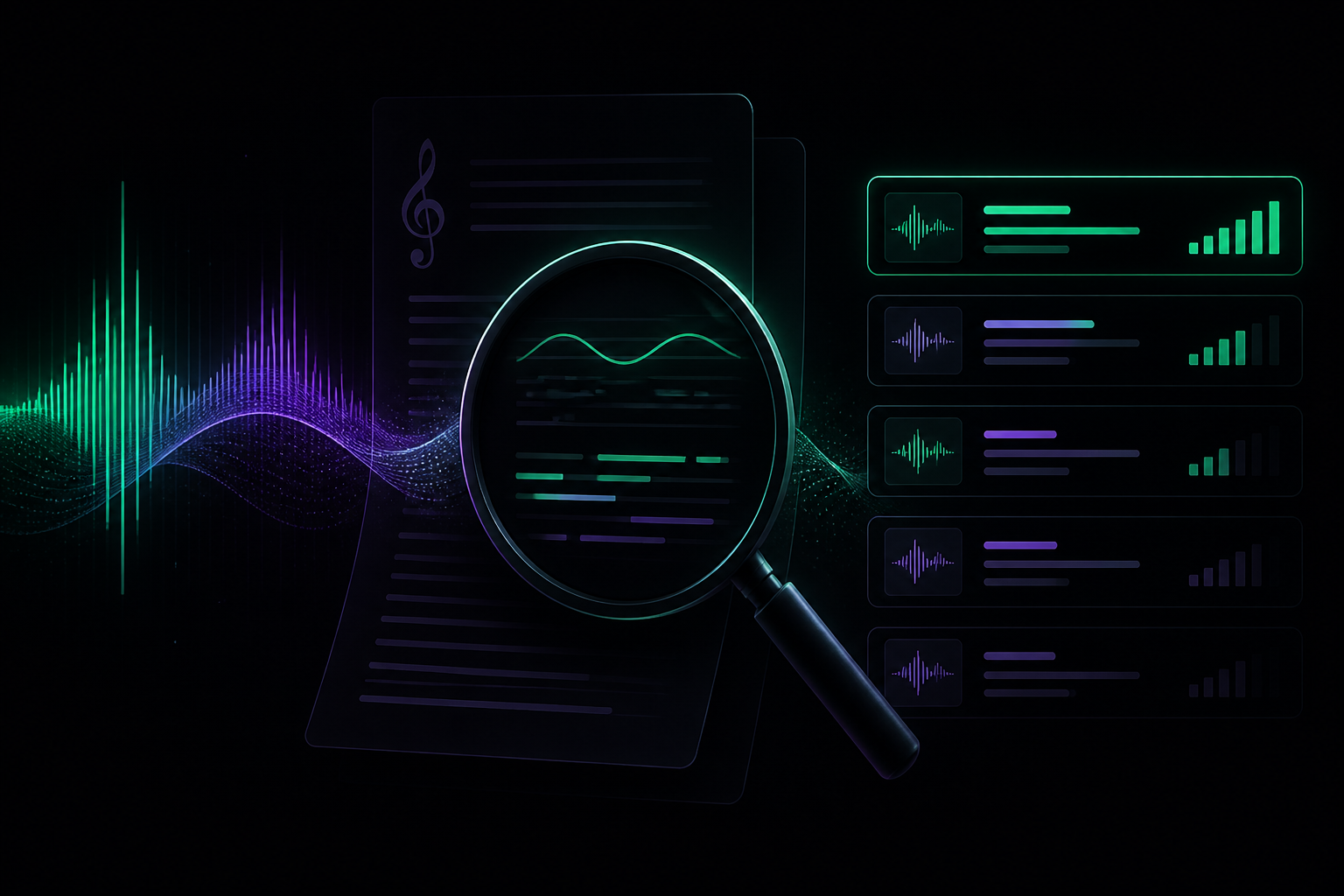
How a lyrics search engine combines exact-order pattern matching with TF-IDF, weights the two signals, and what we tried for fuzzy matching that didn't survive contact with 5 million tracks.
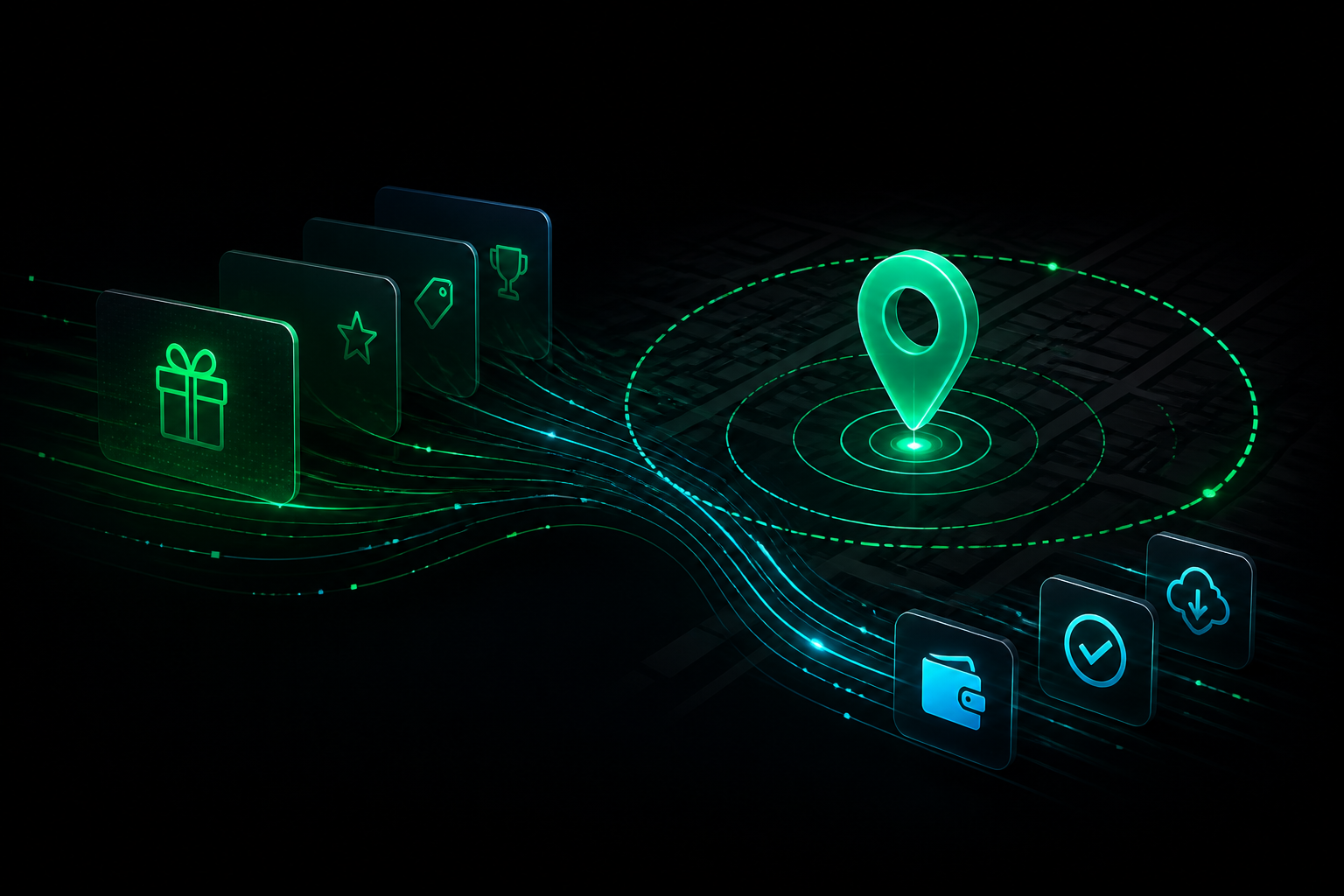
Building a card rewards app means handling financial data and real-time location at once. Why using Plaid instead of homegrown bank credential storage was the right call.